
Hearing aids can make a world of difference — helping you reconnect with loved ones, stay independent, and enjoy life to the fullest. But, for many seniors, the cost of hearing devices can raise a big question: does Medicare cover hearing aids?
Before exploring your insurance options, it is important to understand how hearing aid costs add up – from the initial fitting to future care and adjustments. Having the right coverage can make a meaningful difference in managing these expenses. It is also worth remembering the importance of regular check-ups to catch any changes in your hearing early and keep your device performing at its best.

Understanding the Cost of Hearing Aids & Why Insurance Matters
Hearing aids often come with a significant price tag — with average costs ranging from $1,000 to $8,000 per device. And unfortunately, without the right coverage, many seniors face major out-of-pocket expenses.
So, navigating your insurance options is key to finding the right support — both for your hearing needs and your financial situation, especially if you’re managing age-related hearing loss.

What Medicare Part A & B Cover
Original Medicare (Parts A and B) provides basic medical care. So, does Medicare pay for hearing aids? Unfortunately, no — it doesn’t cover hearing aids or routine hearing services. Part B may cover diagnostic tests if ordered by a doctor, but devices and fittings are paid out-of-pocket.
This is where supplemental insurance and other options may help bridge the gap.
Medicare Advantage Plans & Hearing Aid Coverage
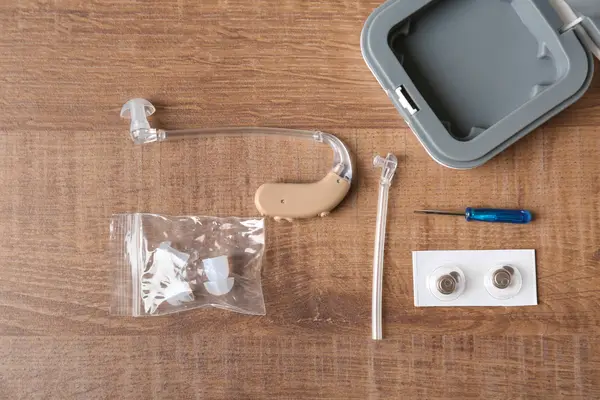
Medicare Advantage (Part C) is an alternative to Original Medicare. These plans often include extra benefits, such as Medicare hearing aid coverage.
Covered programs may include:
- Hearing exams
- Device fitting appointments
- Discounts or coverage for devices
Also, an important fact to note is that coverage varies by provider, so it’s essential to review your plan carefully. Many plans may also work with your local hearing provider to offer leasing or financing options, making high-quality devices more accessible over time.
Supplemental Insurance & Hearing Aids
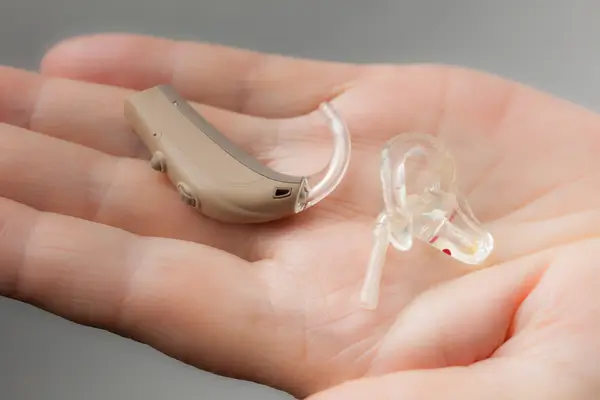
Many turn to supplemental insurance like Medigap for out-of-pocket help. But, hearing aid insurance is usually not included. So, if hearing support is a top priority, a Medicare Advantage plan might offer more flexibility than traditional Medigap options.
How to Check Your Medicare Plan Benefits
Want to know if your plan includes senior hearing aid coverage? Try the following:
- Call your insurance provider
- Log in to your Medicare account
- Use our interactive tool: Will I Be Covered by Insurance?
Or book hearing assessment with a HearWell expert
The Cost of Hearing Aids Without Medicare
Without Medicare hearing aid coverage, costs can be overwhelming. Many seniors face the full burden of care, making it a lot harder to access necessary hearing services. That’s why knowing your options matters.
Other Sources of Financial Help
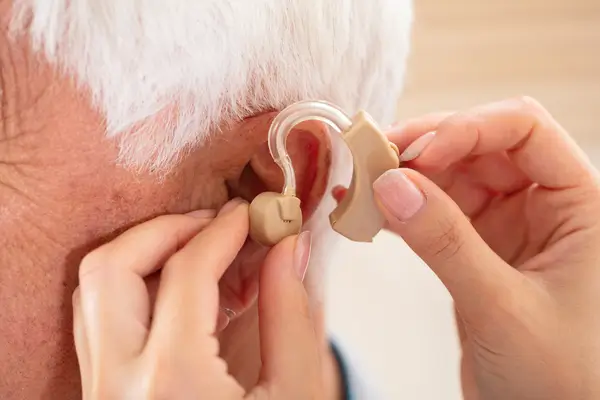
Still wondering, are hearing aids covered by insurance? If Medicare falls short, other options may help:
- Medicaid (varies by state)
- State-run programs for low-income seniors
- Manufacturer discounts
Support from nonprofit groups offering financial assistance

Ready to Find Out What Your Medicare Plan Covers?
Your hearing isn’t just important — it’s essential to living fully, connecting deeply, and enjoying every moment. While Medicare hearing aid coverage isn’t always guaranteed, Hearwell is here to help you navigate your options and find real solutions.
From exploring coverage to choosing the right devices, we’re committed to making better hearing more accessible — and more personal.
Learn more about Hearing Aid Devices and take charge of your hearing health today. At Hearwell, we’ll help you discover affordable options, expert support, and a team that’s with you every step of the way.


Dr. Jessica M. Frankel
Co-Founder | Doctor of Audiology


