
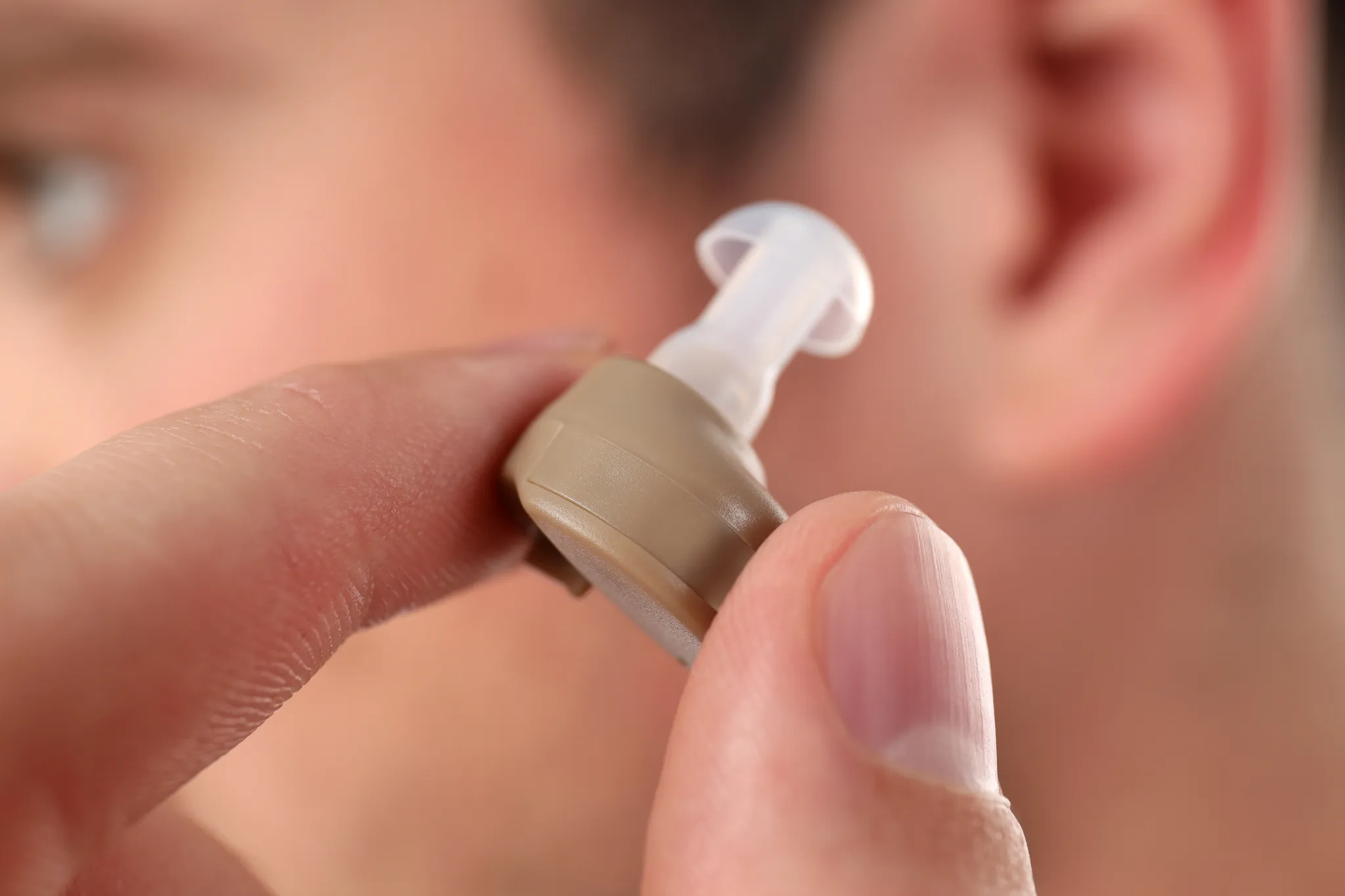
Hearing aids are built to endure everyday life, but earwax and moisture can still build up and interfere with sound. The filter (also called a wax guard) protects the receiver, and when it clogs, you may start to notice muffled audio or reduced volume.
Learn how to safely change hearing aid filters at home and how often wax guards typically need replacing.
Explore these simple tools and accessories that make routine in-home care easier, while keeping your hearing sound clear between your visits to the audiologist.
What You’ll Need Before You Get Started
First, set up in a bright spot and use a towel or tray so that small parts do not fall away and disappear.
A simple kit like this makes changing your hearing aid filters easier and helps protect your device from avoidable damage:
- Replacement filters or wax guards for your specific hearing aid model
- A wax filter tool (most wax guard packs include a built-in remover/inserter)
- A dry, soft cloth to wipe the outside of the hearing aid
- A small cleaning brush or loop tool to clear build-up around the ports
- A wax pick (optional) for trapped debris (used gently)
Note: If you’re unsure what fits your device, Hearwell’s licensed audiologists can confirm compatibility at an in-office or in-home appointment and point you to the right hearing aid accessories, saving you from trial and error.

Step-by-Step Hearing Aid Filter Replacement

Most receiver-in-canal styles follow this same basic process.
- Turn your hearing aid off, then wash and dry your hands. Dry hands help with grip.
- Remove the dome or earmould if your model uses one.
- Find the wax guard opening at the receiver tip. Work over a towel in good light.
- Use the removal end of the tool to lift out the old filter. Gentle pressure is enough.
- Insert the new filter using the fresh end of the tool, pressing evenly until it sits flush.
- Reattach the dome and test the sound. Turn your device on, play a familiar audio source, and listen for clearer volume.
If your device was custom-fit and programmed at Hearwell, your audiologist can also walk you through filter replacement during your appointment. If your hearing aids are custom or sit fully in the ear, the wax filter may be placed differently, so follow the manufacturer’s instructions when they differ.
How Often Should I Change Hearing Aid Filters?
For most people, it depends on the amount of wax build-up and wear time. A typical range is every 2 to 8 weeks, or sooner if you wear your devices all day or notice wax collecting quickly. Because earwax production varies from person to person, your audiologist may recommend a more personalized replacement schedule.
Let sound guide you if you are not sure how often your wax filters need changing. Swap the filter when audio turns muffled, drops in volume, or cuts out. If it still doesn’t improve, the dome, mic ports, or receiver may need a deeper clean. Hearwell offers a professional cleaning service and device check at our NY and CT locations, or home visits for patients who prefer to receive care at home.
Common Mistakes to Avoid
- Using the wrong filter type. Wax guards are often brand- and model-specific, and a poor fit can leave the receiver unprotected.
- Installing the new filter at an angle. A tilted guard can block sound, so press it in evenly until it sits flush.
- Skipping basic cleaning. Filters help, but daily brushing around the dome and sound outlet prevents build-up from returning quickly.
- Cleaning with liquids. Most devices should be cleaned using dry tools, and moisture can cause corrosion or microphone issues unless a manufacturer allows otherwise.
Helpful Accessories to Support Your Hearing Aid’s Health

A few small additions can make a noticeable difference. To keep your sound more consistent and to make device-wearing more comfortable (and reduce the odds of surprise issues between visits), the following accessories can help:
- Wax guards/wax filters to protect the receiver and keep the sound clear
- Domes in multiple styles and sizes support better sealing and a more comfortable fit
- Chargers, if you have a rechargeable hearing aid (look at brand-specific options)
- Batteries for disposable-battery models
- Streaming and control accessories such as TV streamers, remote controls, remote microphones, and phone clips
Stock Up on Hearing Aid Accessories
A small care kit can prevent bigger problems later, especially if you wear your hearing aids daily. If your hearing aid still sounds muffled after changing the filter, schedule a device check with our licensed audiologists and specialists. We offer appointments at our New York and Connecticut boutique locations, as well as in-home visits when needed – and most services are covered by major insurance plans.

Dr. Jessica M. Frankel
Co-Founder | Doctor of Audiology


