
At Hearwell, licensed audiologists and hearing care specialists help patients across New York and Connecticut find the right setup for real daily life, from hearing testing consultations and custom hearing aid fittings to follow-up support and repairs.
Essential Hearing Aid Accessories
1. Cleaning tools for better sound and hygiene
Every new user should start with a basic cleaning kit – it’s the simplest way to keep your hardware in top shape. Tiny microphones and receivers can collect wax, dust, and moisture faster than most people expect. When that happens, sound can seem weaker or less clear even when the device itself is working properly.
A basic kit usually includes a soft brush, a wax pick, and a dry cloth. Some users also benefit from replacement wax guards, especially if buildup is a regular issue. Daily cleaning only takes a minute or two, but it helps to preserve sound quality and may cut down on avoidable repair visits.
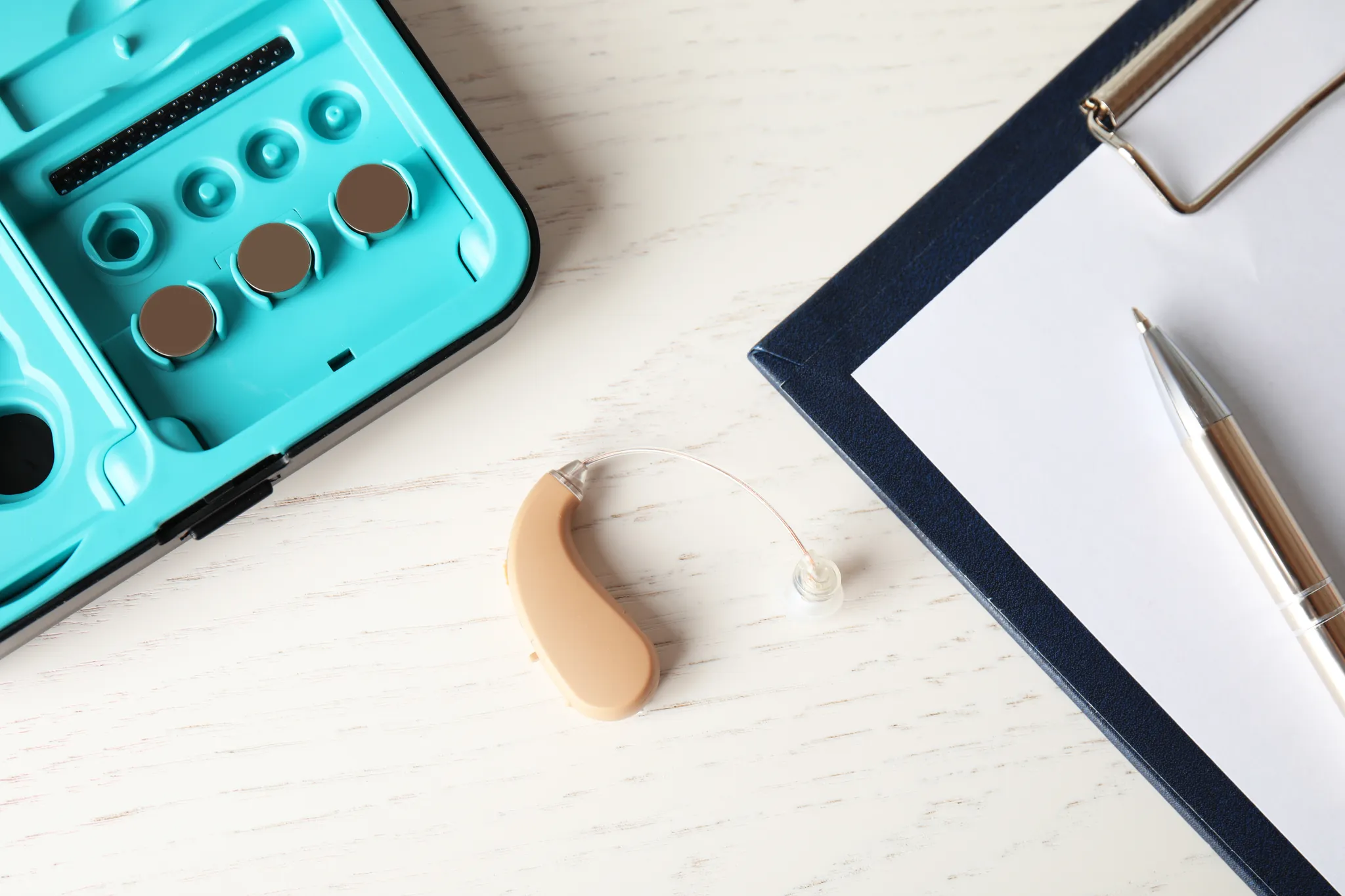

2. A protective case for storage and travel
These devices are small, often misplaced, and easy to damage if they are left on a bedside table, dropped into a bag, or exposed to heat in the car. A hard protective case gives them one dependable place to go when they are out of your ears.
This is especially helpful for older adults, caregivers, and anyone moving regularly between home, appointments, and family visits.
3. Batteries or chargers that fit your device
Power matters more than people think. Some users still rely on disposable batteries, while others wear rechargeable hearing aids that come with charging stations designed for overnight use. Either way, backup power is worth planning for.
Our accessories for hearing aids include batteries and chargers, along with support for brands such as Phonak, ReSound, Signia, and Widex. If you are not sure which option works best with your current device, all our services are led by licensed audiologists, not sales reps, so you can get a clear answer based on your hearing needs and model.


4. Domes and sleeves for comfort and a secure fit
If your hearing aids feel loose, whistle during wear, or leave your ears sore, the problem may be the dome or sleeve rather than the hearing aid itself. These small parts help them sit correctly in the ears and deliver sound where it should go.
The right fit can improve comfort and help reduce feedback. It can also make speech sound clearer in everyday settings.
Helpful Extra Accessories For Hearing Aids Worth Considering
Beyond the basics, many users benefit from:
- Drying systems and moisture-control tools for humid conditions
- Remote microphones for clearer conversations
- TV streamers for better sound at home
Hearwell’s online shop includes a range of accessories, and patients can also get guidance during in-person appointments. In-home testing and fittings are available, which can be a real help for people who want support in a familiar setting.
Keep Daily Hearing Care Simple

The best accessories are the ones that make daily hearing easier, cleaner, and more comfortable. A few small additions now can help protect your devices and save frustration later.
If you need help choosing the right accessories or want support with fittings, maintenance, or repairs, contact us. Hearwell offers expert hearing care, priced for real life, with convenient locations across NY and CT and ongoing support from a team that puts clarity and comfort first.
FAQs
Can accessories extend the life of my device?
Yes, they can help. Cleaning tools, wax guards, drying systems, and protective cases all reduce the everyday wear that comes from wax, moisture, and accidental damage. They will not replace professional care, but they can help keep your device working properly for longer.
Do all devices use the same accessories?
No. Some basics, like disposable batteries, come in standard sizes, but many accessories are device-specific. Chargers, domes, thin tubes, streaming accessories, and even some apps depend on the brand, style, and model of your device.
Can accessories improve the sound quality of hearing aids?
Yes. Clean wax guards, the right domes or sleeves, and moisture-control tools can all help maintain clearer sound. They support proper fit and help prevent the wax and moisture buildup that often makes hearing aids sound weak, distorted, or less clear.
How often should hearing aid accessories be replaced?
It depends on the accessory and the device. Batteries may need replacing every few days to two weeks, while domes and thin tubes are often changed every few months or sooner if they look worn, stiff, or dirty. Wax guards should usually be replaced whenever they become blocked or sound quality drops.
Are there travel-friendly hearing aid accessories?
Yes. A hard case, spare batteries, or a portable charger, and a small drying kit are some of the most useful options for travel. These help protect your devices on the go and are especially useful in humid weather or during longer trips.


Dr. Jessica M. Frankel
Co-Founder | Doctor of Audiology