

What This Blog Covers
This guide explains the typical lifespan of modern hearing aids, factors that affect longevity, and steps you can take to extend their use. At Hearwell Services, we connect every patient with durable, future-ready devices backed by ongoing expert care.
The Average Lifespan of a Hearing Aid

Most hearing aids last three to five years, depending on how they’re used and maintained. Many patients extend that lifespan with regular care, software updates, and timely adjustments from their audiologist – and with Hearwell’s 30% lower pricing, keeping your devices performing their best stays affordable year after year.
Key Insight: A well-cared-for device performs longer, saves money, and helps you stay connected without interruptions.
What Affects Hearing Aid Longevity?
1. Technology & Materials
- Newer models use durable components, advanced nano-coatings, and rechargeable batteries.
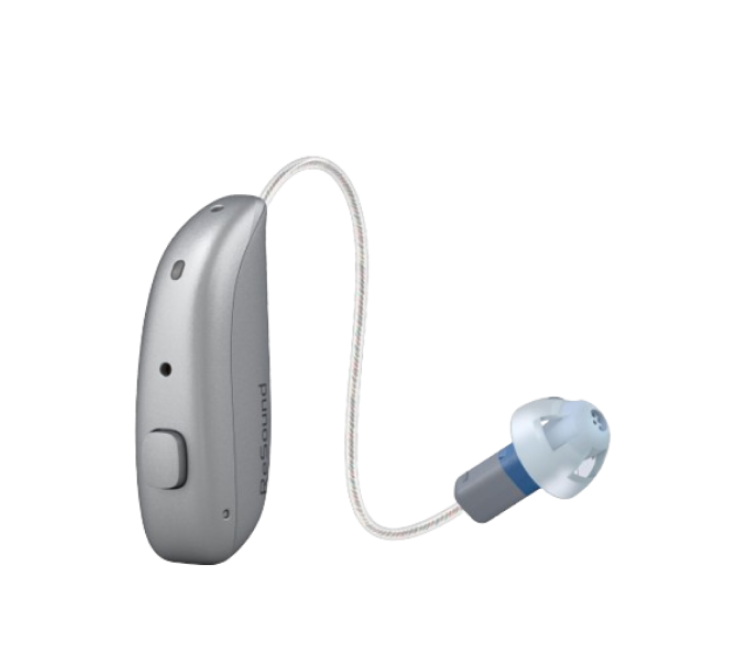
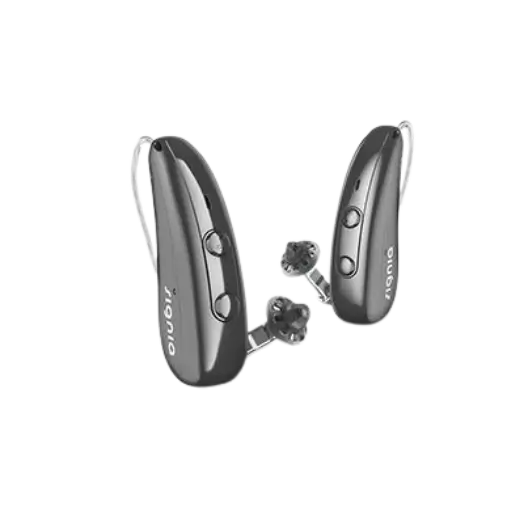
- Brands like Phonak, ReSound, and Widex design devices to withstand daily wear in humid or active environments.
2. Daily Care
- Cleaning devices with a soft cloth and proper storage prevents dirt and moisture buildup.
- Small steps, like using a dehumidifier overnight, can add months – even years – to device performance.
3. Environment
- Humidity, sweat, and extreme temperatures can shorten a device’s lifespan.
- Covers, drying kits, and in-home service checks reduce the risk of environmental damage.
Protecting your aids from heat, water, and debris is just as important as choosing the right model in the first place.

Signs It’s Time to Upgrade

- Distorted or muffled sound
- Shortened battery life, even after charging
- Physical damage (cracks, moisture, corrosion)
- Lifestyle changes – such as needing smartphone streaming or better background noise reduction
Key Insight: New hearing technology enhances clarity and listening comfort across environments. Upgrading ensures your devices match current innovations – for clearer sound and lasting reliability.
Maintaining Your Hearing Aids
- In-home adjustments
- Software updates for newer models
- Cleanings and part replacements when needed


FAQ
How long do hearing aids really last?
Most last three to five years, but care makes a big difference. With regular hearing aid checkups and updates, some patients use devices for seven years or more.
Can I extend my devices’ lifespan?
Yes. Daily cleaning, safe storage, and moisture protection go a long way. We recommend using a drying kit and scheduling yearly in-home maintenance visits with our specialists.
What should I do if my hearing aids malfunction early?
Don’t wait it out – early issues can worsen over time. Bring them in for a hearing aid repair, and our team will fix or replace components before permanent damage occurs.
When should I consider upgrading?
If your lifestyle has changed or you’re missing clarity in conversations, it may be time. New devices often include Bluetooth streaming, AI speech filters, and rechargeable batteries. Our audiologists can guide you toward the best new model options.
Are replacements covered by insurance?
Often, yes. Hearwell accepts Medicare, AARP, UnitedHealthcare, and more. We’ll confirm your benefits and explain affordable insurance and payment plans, so you can plan confidently.
recap: Lifespan & care matter
A hearing aid’s lifespan depends on the right mix of technology, environment, and care. With Hearwell’s expert guidance and premium brands, you can maximize every device – and know exactly when it’s time to upgrade.

Dr. Jessica M. Frankel, Au.D., CCC-A, FAAA
Co-Founder | Hearwell Services


