
Why Cleaning Hearing Aids Should Be Part of Your Everyday Care
Your hearing aids are part of nearly everything you do. Catching a conversation, hearing a favorite song, or enjoying the quieter moments in between. Over time, little things like earwax and moisture can settle in and start to cause a buildup.
A bit of regular care goes a long way. In this guide, we’ll show you how to clean hearing aids properly, highlight common mistakes to avoid, and explain when it might be time to book a professional hearing aid cleaning.
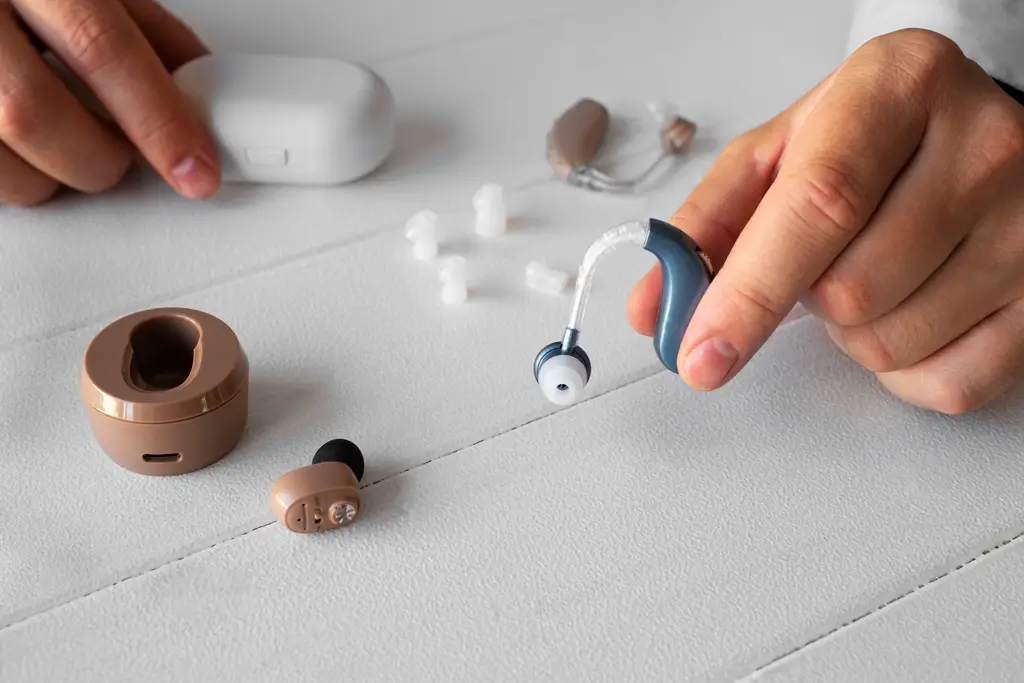
You also risk issues like:
- Clogged microphones from earwax
- Moisture damage from sweat or rain
- Device failure from dust or cleaning chemicals
Even a quick rinse or the wrong wipe can damage delicate parts. These problems are common, and entirely preventable. A steady hearing aid maintenance routine helps protect your device, reduce the need for repairs, and make sure your hearing stays sharp and reliable.
The Essentials You’ll Need for Cleaning Hearing Aids
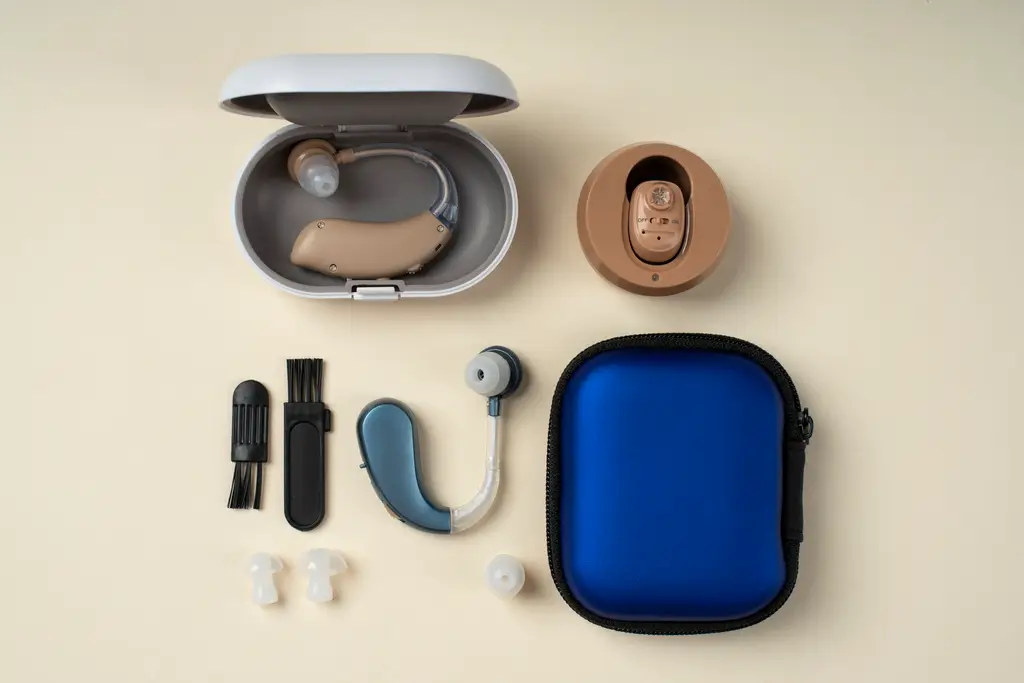
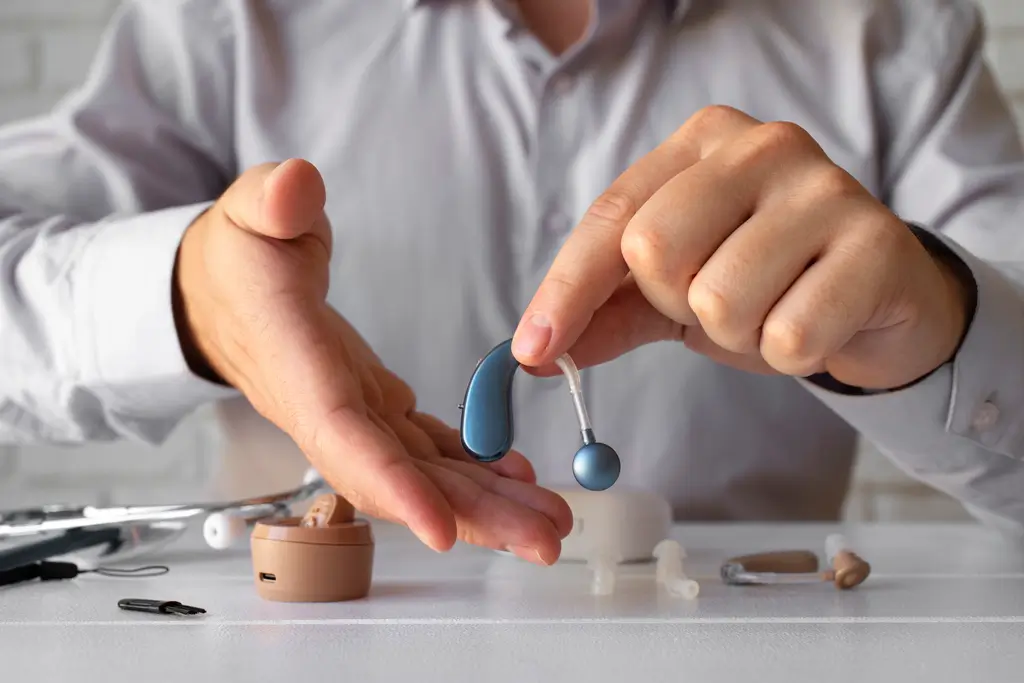
A good hearing aid cleaning routine doesn’t require anything high-tech. In fact, the best way to clean hearing aids at home is with just a few simple tools:
- Dry, soft cloth – for wiping down the outer surface
- Small cleaning brush or loop – to gently remove buildup from ports and openings
- Wax pick – to clear out any trapped earwax or debris
Many people also choose to use a dehumidifier overnight – especially in humid climates or after a long day of wear. It helps remove moisture and supports long-term performance. Skip the baby wipes and household cleaners, as they can damage the delicate parts inside.
This being said, the importance of regular check-ups still remains, as this is one of the most effective ways to keep your devices in prime condition (especially with the help of a professional hearing aid cleaning).
How to Clean Hearing Aids at Home: Daily, Weekly, and Device-Specific Tips
- Wipe with soft, dry cloth
- Brush microphone ports and receiver
- Clean tubing and wax guards
- Use a dehumidifier overnight
Mistakes to Avoid:
- Never use water or soap
- Don’t poke inside microphone openings
- Don’t skip regular check-ups
Device-Specific Tips:
- BTE: Clean earmolds and tubing carefully
- ITE/ITC: Focus on mic and receiver ports
- Rechargeable: Keep charging ports clean and dry
Support for Your Hearing Aids, Every Step of the Way
Consistent care makes a real difference, but you don’t have to manage it all on your own. From hands-on demos to expert cleanings, Hearwell offers support for everyday hearing aid maintenance.
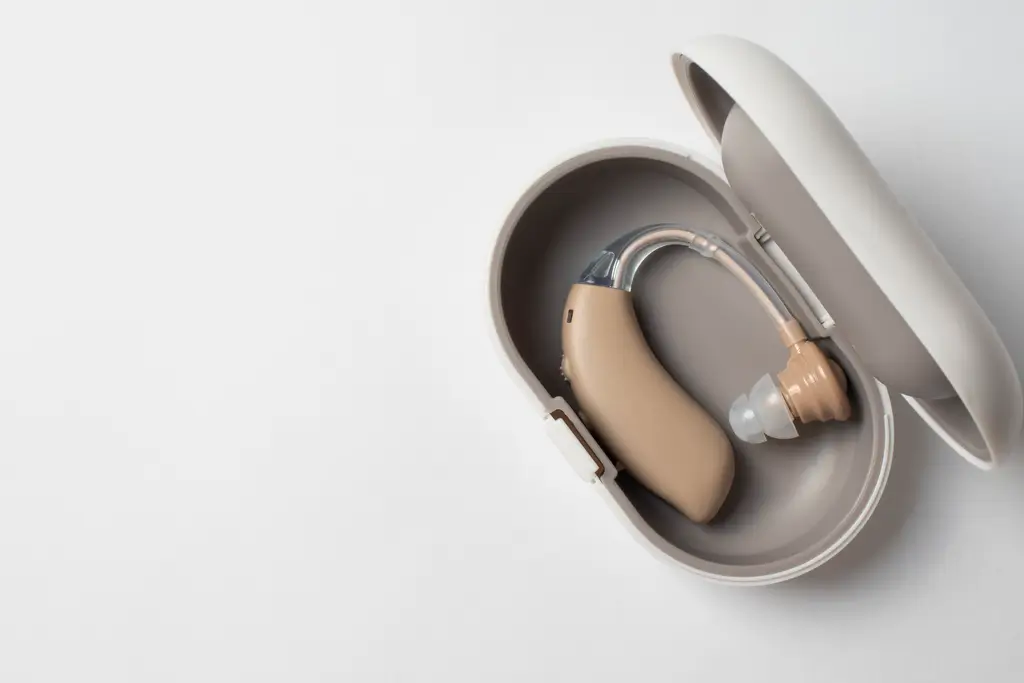
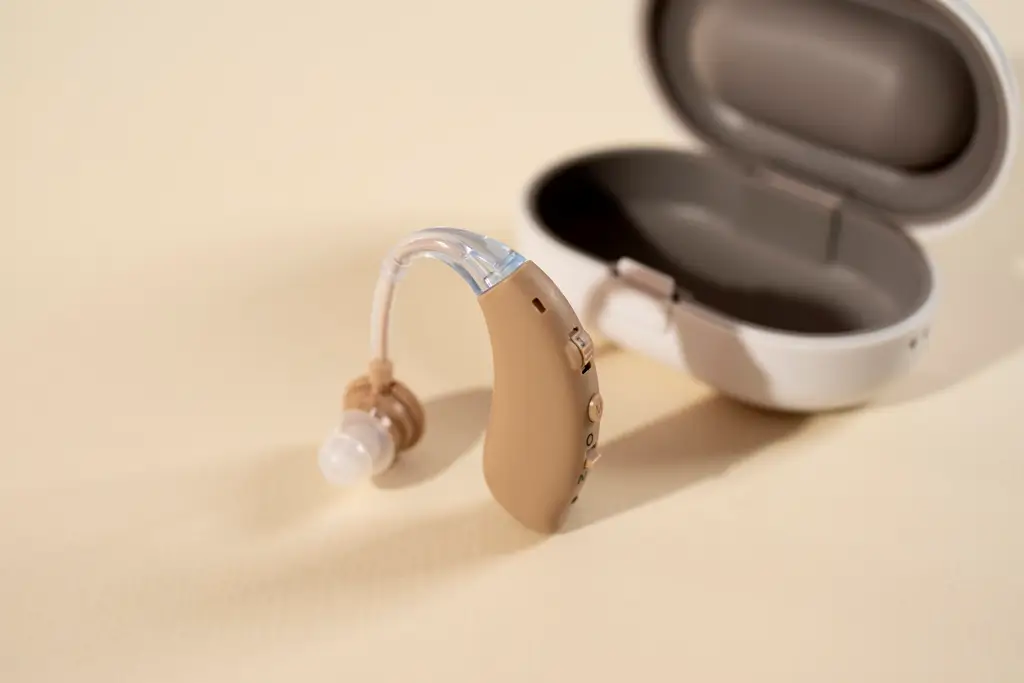
Explore our full range of Hearing Aid Devices, or watch our video instructions for help with at-home care. You can also book a hearing assessment to make sure your hearing aids are still the right fit.
FAQ
How often should I clean my hearing aids?
Aim for a simple wipe-down with a soft cloth and cleaning brush once a day, and perform a more thorough cleaning – like removing wax guards and checking tubing – at least once a week. Hearwell also recommends a professional hearing aid cleaning every 6 months to keep things working as they should.
Are baby wipes safe for cleaning hearing aids?
Regular baby wipes can carry too much moisture and ingredients that may damage delicate parts. Choose only alcohol-free, hearing-aid-specific wipes, or stick with a dry cloth and brush for safer cleaning.
Can household cleaners or disinfectants damage hearing aids?
Yes. Using harsh chemicals like Lysol, alcohol, or standard disinfecting wipes can strip protective coatings and harm internal components. Only use cleaning tools made for hearing aids, such as surface wipes or a lint‑free cloth.
What should I do if my hearing aids get wet?
- Turn them off and remove the batteries or open the charging contacts.
- Gently wipe the surface and leave the device open to air dry for 24–48 hours.
- For better results, place them in a hearing aid dryer or a drying kit with desiccant beads.
- Never use heat sources like microwaves or hair dryers.
How do I clean the microphone and receiver ports without causing damage?
Gently brush the microphone covers and receiver openings with a dry hearing-aid brush or soft bristle tool. Turn the device upside down so debris falls out naturally. Use a wax pick if needed, and finish with a microfiber wipe.
When should I see a professional for hearing aid cleaning or maintenance?
Schedule a professional cleaning every three to six months, or any time you notice muffled sound, feedback, or buildup you can’t remove. A specialist can clean internal parts safely and spot early signs of damage.

Dr. Jessica M. Frankel
Co-Founder | Doctor of Audiology


