
High frequency hearing loss makes it harder to hear high-pitched sounds, like birdsong, beeping timers and the consonants "s," "f" and "th." Those sounds carry a lot of the detail in speech, so many people say they can hear that someone is talking but can't make out the words.
Short answer: high frequency hearing loss affects the higher pitches on your hearing test, roughly 2,000 to 8,000 Hz. Common causes include noise exposure and aging. It usually can't be reversed, but hearing aids can be programmed to boost exactly the pitches you're missing, and a hearing test shows where your hearing stands.
Already have an audiogram?
Upload your audiogram and our team will review it and recommend a solution. If you're already looking at certain brands, tell us which ones.
What High Frequency Hearing Loss Looks Like on Your Audiogram
On an audiogram, pitch runs from low on the left to high on the right. With high frequency hearing loss, the marks on the right side of the chart drop lower, which means high-pitched sounds have to be louder before you can hear them. This pattern is often called a "sloping" hearing loss.
Sounds that are often harder to hear include:
- Consonants such as "s," "f," "th" and "h"
- Women's and children's voices
- Birdsong
- Beeps from microwaves, timers and alarms
What Causes High Frequency Hearing Loss?
There's no single cause. Common factors include:
- Noise: long or sudden exposure to loud sound can damage the inner ear.
- Aging: gradual age-related hearing loss, called presbycusis, often affects high pitches first.
- Certain medicines: some medicines, such as some chemotherapy drugs, can harm hearing.
- Health conditions: conditions such as diabetes and high blood pressure can affect hearing health.
- Genetics: a family history of hearing loss may raise your risk.
Early Signs to Watch For
Noticing early signs makes a difference. Look out for:
- People seeming to "mumble"
- Trouble following conversations in groups or with background noise
- Difficulty understanding women's or children's voices
- Missing beeps, timers or alarms
- Turning the TV up, or relying on captions
What does high frequency hearing loss sound like? Often, speech is loud enough but the edges of words are missing, so "fish" and "fist" can sound the same.
How to Protect Your Hearing
High frequency hearing loss usually can't be reversed, so protecting the hearing you have matters:
- Wear hearing protection at concerts, on loud job sites and when using power tools. See our hearing protection.
- Turn down earbuds and headphones, and take listening breaks.
- Get your hearing tested so you know your starting point. Read about ringing ears after a concert.
Treatment and Support
- Hearing aids: they can be programmed to boost the high pitches you struggle with, based on your hearing test. Premium AI models are designed to make speech clearer in noisy places.
- A hearing test: knowing the degree and type of your hearing loss guides treatment.
- Accessories: TV streamers and Bluetooth phone streaming make calls and shows clearer.
- Everyday strategies: face the person speaking, cut background noise and ask people to rephrase, not just repeat.
These are the newest models from each major brand we carry. Every price on our site includes the hearing aids and your fitting fee.
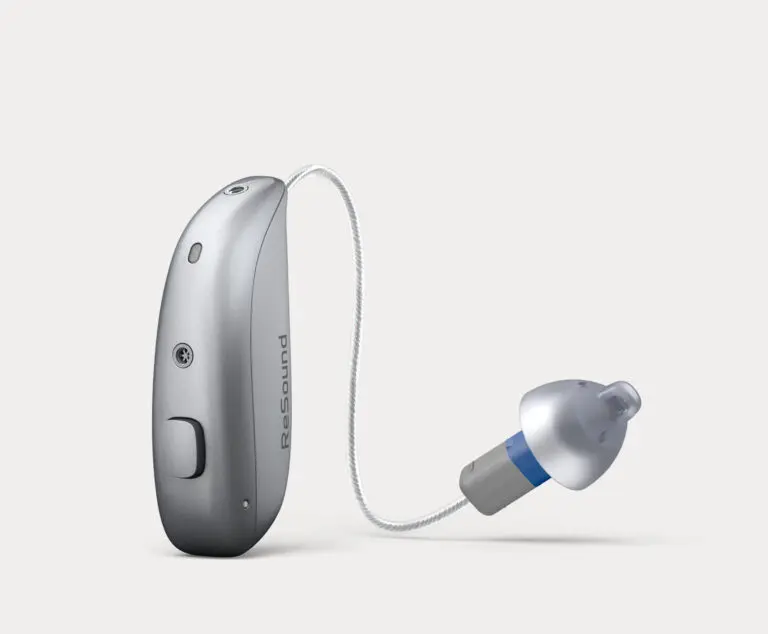 ReSound Sensia 9
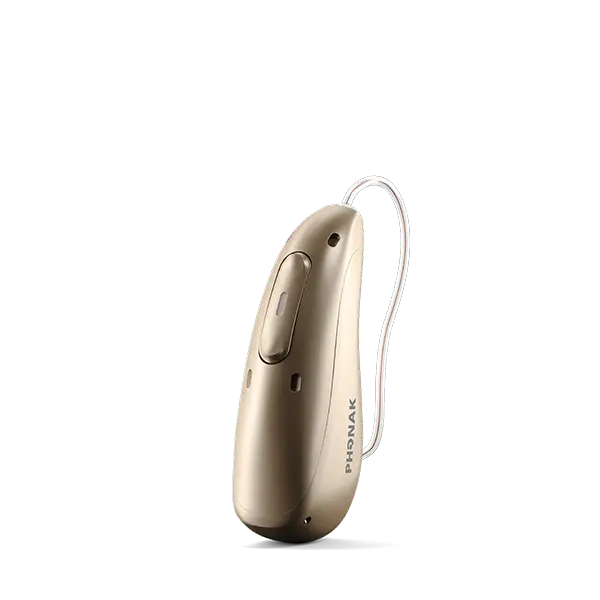 Phonak Eon Sphere
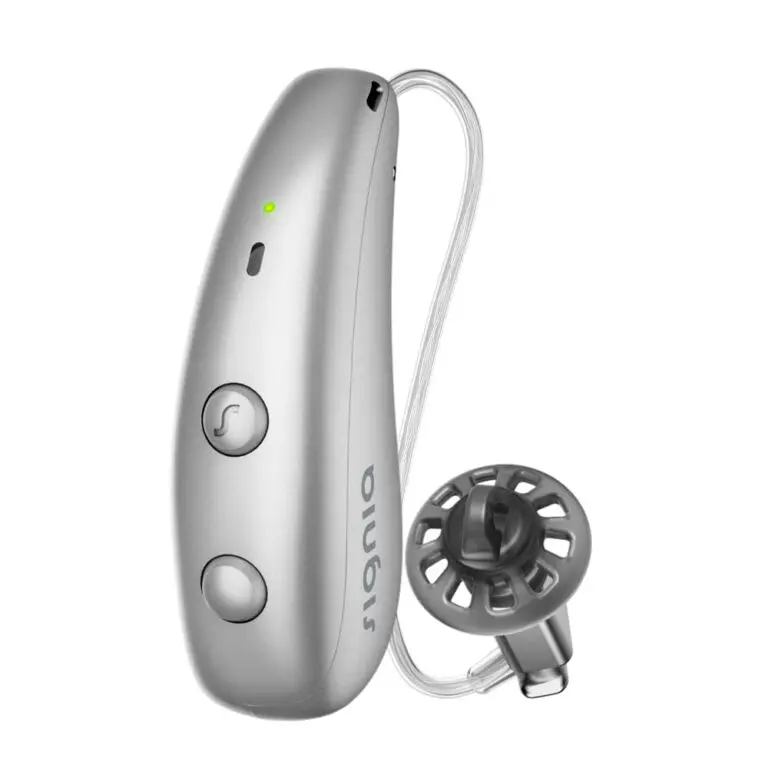 Signia Pure Charge&Go MaX
 Starkey Omega AI+
 Oticon Reveal
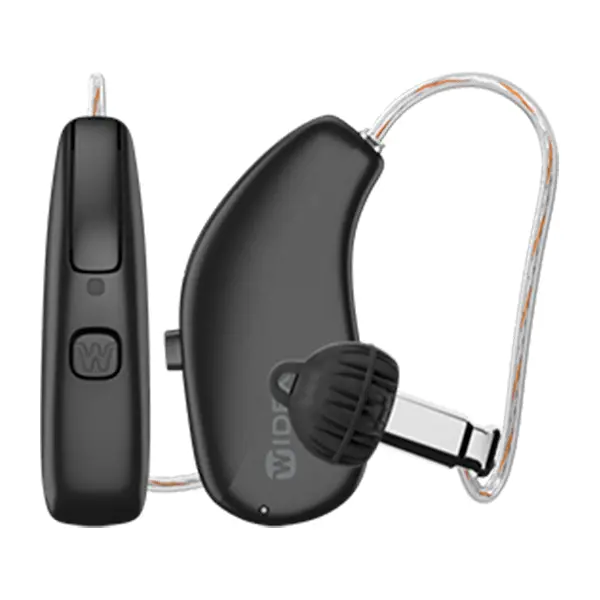 Widex Allure
Compare them in our 2026 guide to the newest AI hearing aids, or browse all hearing aids with prices. A 36-month hearing aid lease, financed through PatientFi, is available on our financing page.
Get Your Hearing Tested in NYC
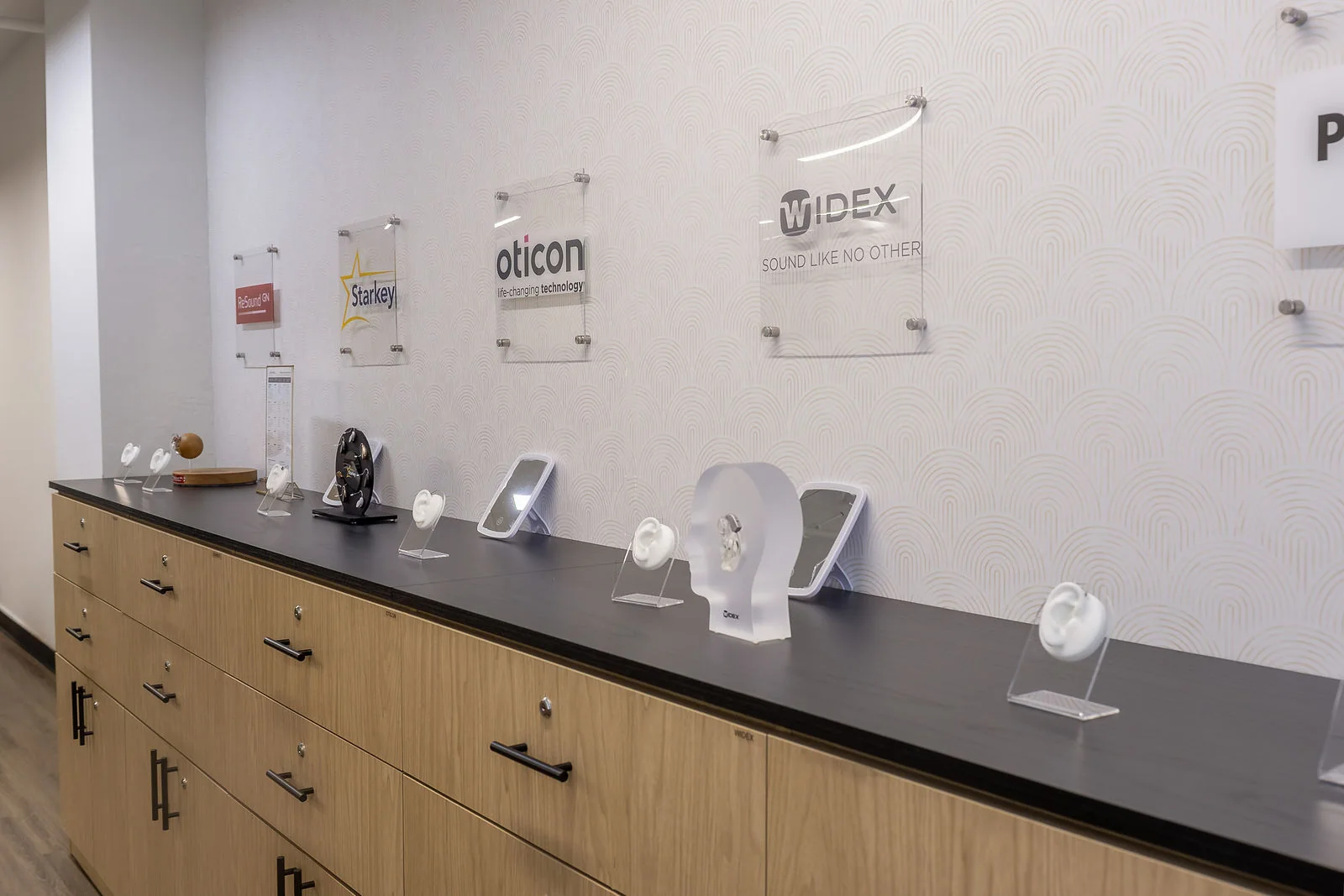
- In Midtown West: take your hearing test in our glass booth at 237 W 35th St, Suite 702A, steps from Penn Station. A hearing test visit takes about 25 minutes, and walk-ins are welcome Monday to Friday, 9am to 5pm. Then try hearing aids from Signia, ReSound, Phonak, Oticon, Widex and Starkey in the same visit.
- At home: a $99 in-home visit brings a hearing test with SHOEBOX to your door, anywhere in the five boroughs or on Long Island.
- Cost: we accept most insurance, and HearWell Services is a TruHearing provider. Without insurance, a hearing test is $99.
Frequently asked questions
What is high frequency hearing loss?
It's hearing loss that affects higher pitches, roughly 2,000 to 8,000 Hz. It can make consonants like s, f and th, women's and children's voices, and beeping sounds harder to hear.
Can high frequency hearing loss be reversed?
It usually can't be reversed, but hearing aids can be programmed to boost the pitches you're missing, and hearing protection helps keep it from getting worse.
Do hearing aids help with high frequency hearing loss?
Yes. Hearing aids are programmed to your hearing test, so they can add the high pitches you're missing while leaving the pitches you hear well more natural.
How do I know if I have high frequency hearing loss?
A hearing test shows it on your audiogram. Early signs include people seeming to mumble and trouble hearing in noisy places.
Can you review an audiogram from another provider?
Yes. Upload your audiogram with the form on this page and our team will review it and recommend a solution, or call (332) 238-1028.
Questions about your hearing? Call (332) 238-1028 or email [email protected].
Get your audiogram reviewed
Upload a photo or PDF of your audiogram below, and our team will review it and recommend a solution.

