You know the feeling: you're fighting a cold, and suddenly your ears feel blocked. On top of the sneezing and coughing, everything sounds muffled, as if you're wearing earplugs. Here's why a cold can clog your ears, what you can try at home, and when it's time to get checked.
Short answer: a cold can swell and block your Eustachian tubes, the small passages that balance pressure between your middle ears and the back of your throat. That causes the full, muffled feeling. It usually eases as the cold clears. See a doctor if you have severe pain, fluid draining from your ear, a fever, dizziness, or a sudden drop in hearing.
Why Do Ears Get Clogged When You Have a Cold?
Your Eustachian tube connects your middle ear to the back of your nose and throat. Normally it opens when you swallow or yawn, which keeps the pressure in your ears balanced and lets fluid drain.
When you have a cold, swelling and mucus can keep the tube from opening properly. Pressure builds up behind the eardrum, and your ear can feel stuffy, blocked or full.
What Does a Clogged Ear Feel Like?
- Muffled hearing, or feeling like you can't hear out of one ear
- Pressure or fullness in the ear
- Popping or crackling when you swallow
- Your own voice sounding louder or echoing
It's not pleasant, but it's common, and it often improves as your cold gets better.
Could It Lead to Bigger Problems?
If the blockage doesn't clear, fluid can stay trapped behind the eardrum, and that can lead to an ear infection. Fluid or infection can cause temporary hearing loss, ringing in the ears (tinnitus) or dizziness. These often go away once the ear clears, but they're a reason to see a doctor rather than wait it out.
How to Relieve a Clogged Ear at Home
These simple steps may help open your Eustachian tubes and ease the pressure:
- Swallow, yawn or chew gum. These movements help the tubes open and can "pop" your ears.
- Breathe in steam. A warm shower or a bowl of hot water can loosen mucus.
- Try a saline nasal spray or rinse to clear your nose.
- Ask a pharmacist about decongestants. They can help some people, but they aren't right for everyone, especially if you have high blood pressure or take other medicines.
- Use a warm compress. A warm, damp cloth held over the ear can be soothing.
Avoid putting cotton swabs or other objects in your ear, and skip ear candles. They won't clear a blocked Eustachian tube and can hurt your ear. Don't use ear drops unless a doctor or pharmacist says they're right for you.
When to See a Doctor
See a doctor if you have:
- Severe ear pain or swelling
- Fluid, pus or blood draining from your ear
- A fever, or you feel very unwell
- Dizziness or trouble with balance
- Symptoms that don't improve as your cold clears, or keep coming back
Sudden hearing loss is different. If your hearing drops suddenly, especially in one ear, see a doctor right away. Don't wait for it to clear on its own.
If your ear still feels muffled after your cold is gone, a hearing test can show whether your hearing has changed.
Wear Hearing Aids? What to Do During a Cold
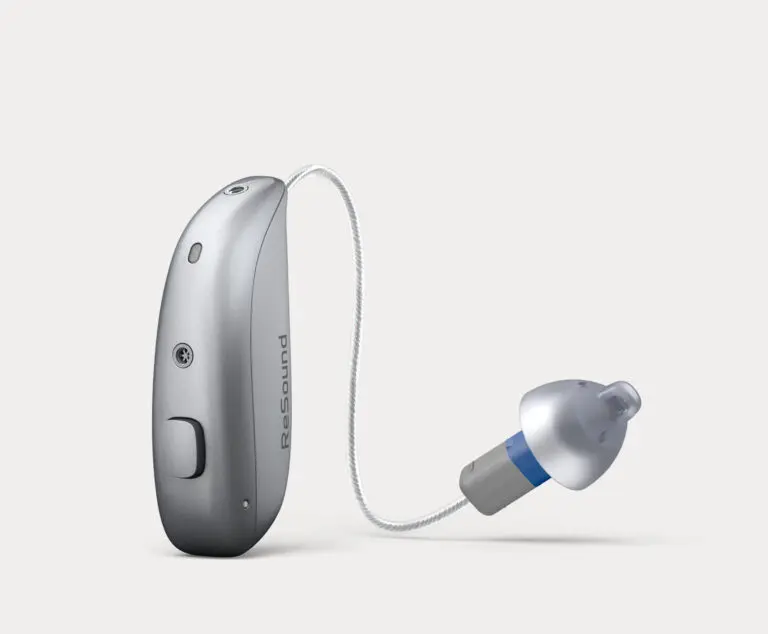
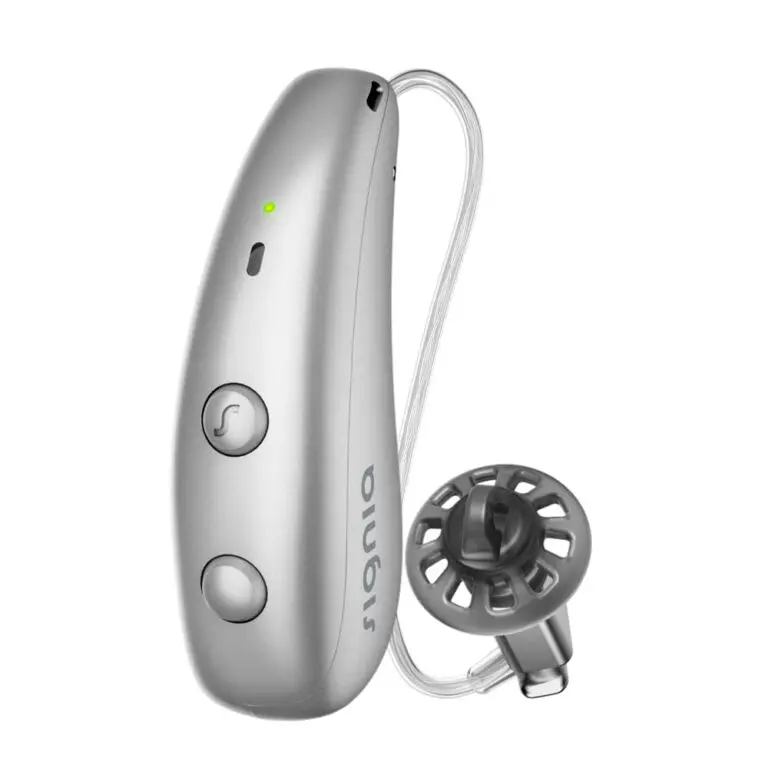
If you wear hearing aids, a cold can make them feel and sound different:
- If your ear is painful or draining, take your hearing aid out and check with your doctor before wearing it again.
- Keep your hearing aids clean. Extra moisture and wax can clog the wax filter and make sound weak. See how to clean hearing aids or watch our How-To Videos.
- Change the wax filter and dome if they look clogged. Shop wax filters and domes, with free pickup at our Midtown West office.
- Still sounding muffled once you feel better? Our Cleaning Bar does a $65 deep clean for any brand, no appointment needed.
Muffled Hearing After a Cold? Get a Hearing Test
Trying home remedies early can help, but don't ignore muffled hearing that lingers after your cold. A hearing test shows whether your hearing has changed:
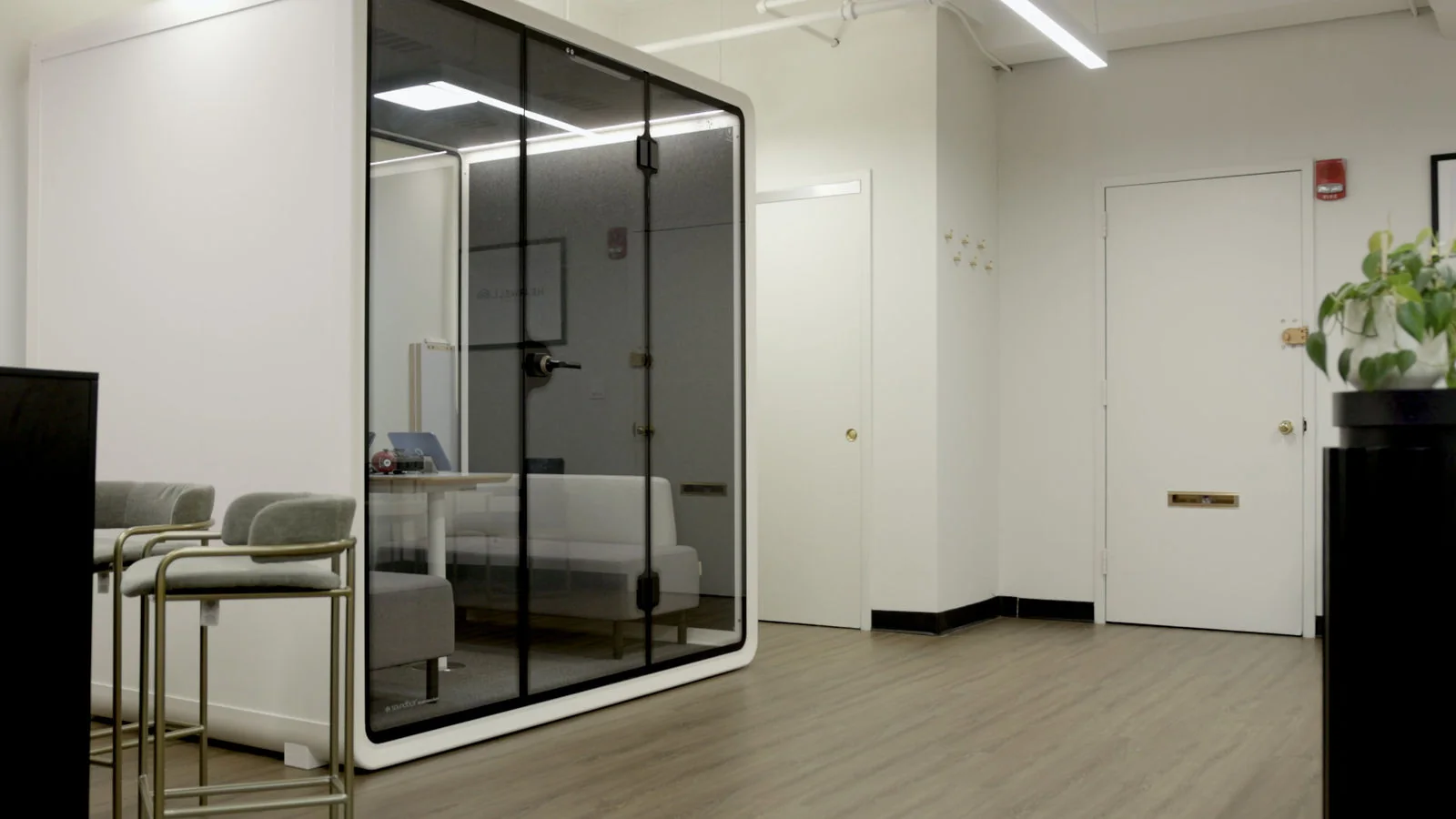
- In Midtown West: take your hearing test in our glass booth at 237 W 35th St, Suite 702A, steps from Penn Station. Walk-ins are welcome Monday to Friday, 9am to 5pm.
- At home: a $99 in-home visit brings a hearing test to your door, anywhere in the five boroughs or on Long Island.
- Cost: we accept most insurance, and HearWell Services is a TruHearing provider. Without insurance, a hearing test is $99.
If we see signs of a medical problem, such as fluid or an infection, we'll recommend that you see a doctor.
Frequently asked questions
Why does my ear feel clogged when I have a cold?
Swelling and mucus from a cold can block the Eustachian tube, which normally balances pressure in your middle ear. When it can't open properly, your ear feels full and sounds muffled.
How can I unclog my ear from a cold at home?
Try swallowing, yawning or chewing gum, breathing in steam, a saline nasal spray and a warm compress. Ask a pharmacist before using a decongestant. Don't put cotton swabs or other objects in your ear.
When should I see a doctor for a clogged ear?
See a doctor if you have severe pain, fluid draining from your ear, a fever, dizziness, or symptoms that don't improve as your cold clears. If your hearing drops suddenly, see a doctor right away.
Can a cold cause hearing loss?
A cold can cause temporary muffled hearing while fluid or pressure builds up behind the eardrum. If your hearing still seems off after the cold is gone, get a hearing test.
Should I wear my hearing aids when my ear is clogged?
If your ear is painful or draining, take your hearing aid out and check with your doctor first. Otherwise, keep your hearing aids clean and change the wax filter if sound seems weak.
Questions about your hearing? Call (332) 238-1028 or email [email protected].
Still sounding muffled after your cold?
Walk in to our Midtown West office for a hearing test, Monday to Friday, 9am to 5pm, or book a $99 in-home visit.