
Your audiogram isn't just a page of numbers. It's a map of how loud each pitch has to be before you can hear it. Once you know how to read it, the chart tells you how much hearing loss you have, which sounds you're likely missing and what kind of help makes sense.
Short answer: hearing loss is measured in decibels hearing level (dB HL). The higher the number on your chart, the louder a sound has to be for you to hear it. Using the scale ASHA publishes, results from 16 to 25 dB HL are a slight loss, 26 to 40 mild, 41 to 55 moderate, 56 to 70 moderately severe, 71 to 90 severe, and 91 or more profound.
Already have an audiogram?
Upload your audiogram and our team will review it and recommend a solution. If you're already looking at certain brands, tell us which ones.
What Does a Hearing Loss Chart Measure?
A hearing test checks two things, and your audiogram plots both:
- Pitch (frequency, in hertz): runs across the top of the chart, from low pitches on the left to high pitches on the right.
- Loudness (decibels hearing level, dB HL): runs down the side. Points near the top mean you hear soft sounds; points lower down mean sounds have to be louder before you hear them.
Each mark is the softest sound you could hear at that pitch. On most audiograms, a red O marks your right ear and a blue X marks your left ear.
At HearWell Services, our hearing test checks your ear canals, tests the frequencies of your hearing and checks how clearly you hear words, so any recommendation starts from your results. See what happens in a hearing test.
Hearing Loss Chart: Degrees of Hearing Loss in dB
Here are the standard ranges, measured in dB HL, and what each one can feel like in daily life.
| Degree of hearing loss | Range (dB HL) | What you may notice |
|---|---|---|
| Normal | −10 to 15 | Most soft sounds are easy to hear |
| Slight | 16 to 25 | Soft speech or whispers may be harder to catch, especially in noise |
| Mild | 26 to 40 | Soft speech is hard to follow, especially in noisy places |
| Moderate | 41 to 55 | Conversations can sound muffled, and groups feel hard |
| Moderately severe | 56 to 70 | Speech is hard to understand even in quiet rooms |
| Severe | 71 to 90 | Speech is very hard to follow without amplification |
| Profound | 91 and above | Many everyday sounds can't be heard without hearing aids or other devices |
Ranges: American Speech-Language-Hearing Association (ASHA), "Degree of Hearing Loss" (Clark, 1981). Not every professional uses the same cutoff for normal hearing; some use 20 or 25 dB HL instead of 15. Everyone's experience is different, and your provider will explain your own results.
More Than a Number: Pitch, Ears and Type
Your degree of hearing loss is only part of the picture. Your audiogram also shows:
- Which pitches are affected. Many people have a "sloping" chart: hearing is better for low pitches and worse for high ones. That pattern is called high frequency hearing loss, and it often makes speech sound loud enough but unclear.
- One ear or both. Hearing loss can be the same in both ears or different in each.
- The type of hearing loss. Sensorineural hearing loss involves the inner ear or hearing nerve, conductive hearing loss involves the outer or middle ear, and mixed hearing loss is a combination of both.
Together, the degree, the pitches and the type help decide which hearing aid styles and power levels can work for you.
How Hearing Loss Affects Daily Life
Hearing loss affects more than sound. Depending on your chart, you may find that:
- Conversations feel tiring, so you skip dinners, meetings or family gatherings
- You rely on lip reading or turn on captions more often
- You miss doorbells, alarms, timers or your phone
- People seem to mumble, especially in restaurants or on the phone
If any of this sounds familiar, a hearing test is the simplest way to find out where your hearing stands.
Treatment Options for Each Level
Every level calls for a different approach, and your provider will match the options to your audiogram:
- Slight to mild: small receiver-in-canal or custom hearing aids, often rechargeable, can make soft speech clearer.
- Moderate to moderately severe: premium AI hearing aids are designed for speech in noisy places, with Bluetooth streaming for calls and TV.
- Severe to profound: more powerful behind-the-ear models, plus accessories such as TV streamers and remote microphones.
These are the newest models from each major brand we carry. Every price on our site includes the hearing aids and your fitting fee.
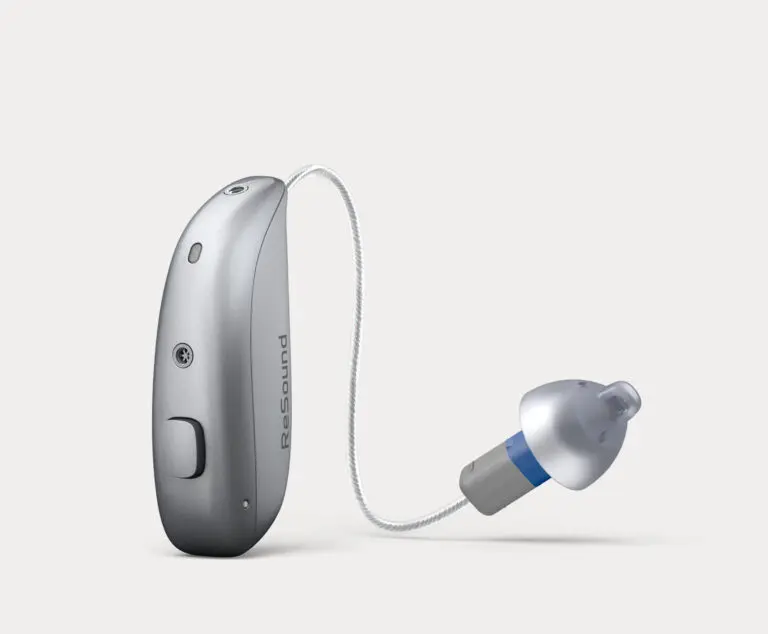 ReSound Sensia 9
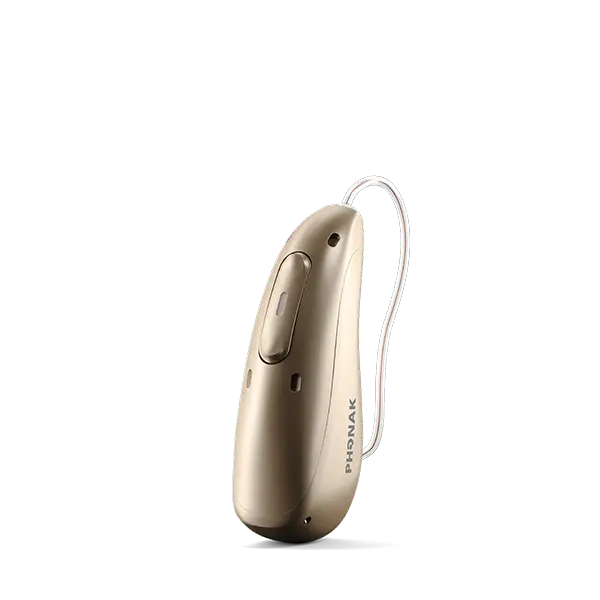 Phonak Eon Sphere
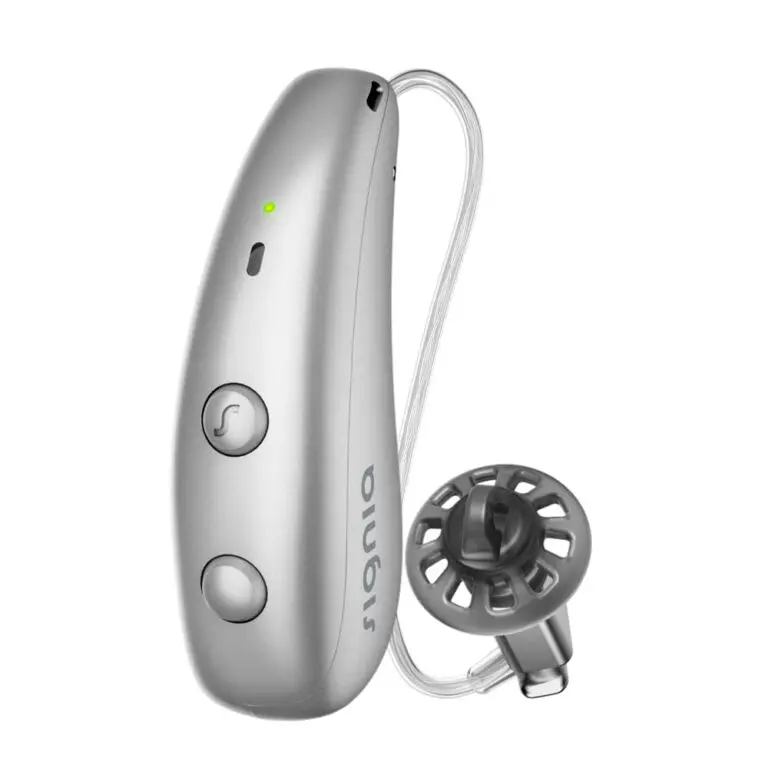 Signia Pure Charge&Go MaX
 Starkey Omega AI+
 Oticon Reveal
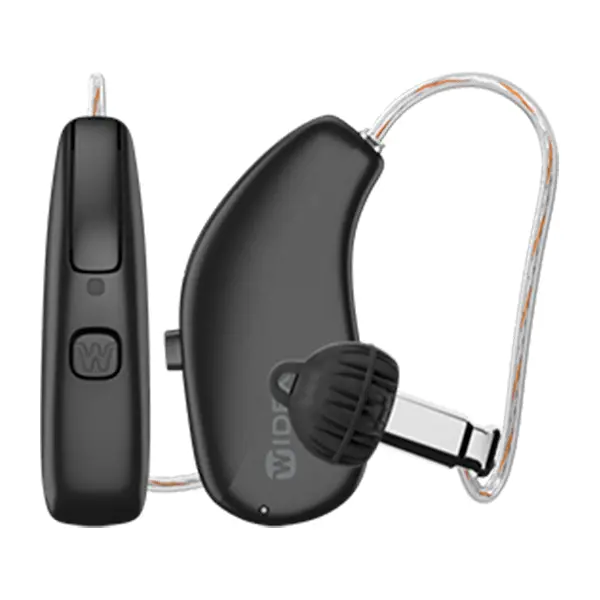 Widex Allure
Not sure which brand to start with? Read our 2026 comparison of the newest AI hearing aids, or browse all hearing aids with prices. A 36-month hearing aid lease, financed through PatientFi, is available on our financing page.
How to Get a Hearing Test in NYC
Don't have a recent audiogram? Here's how to get one:
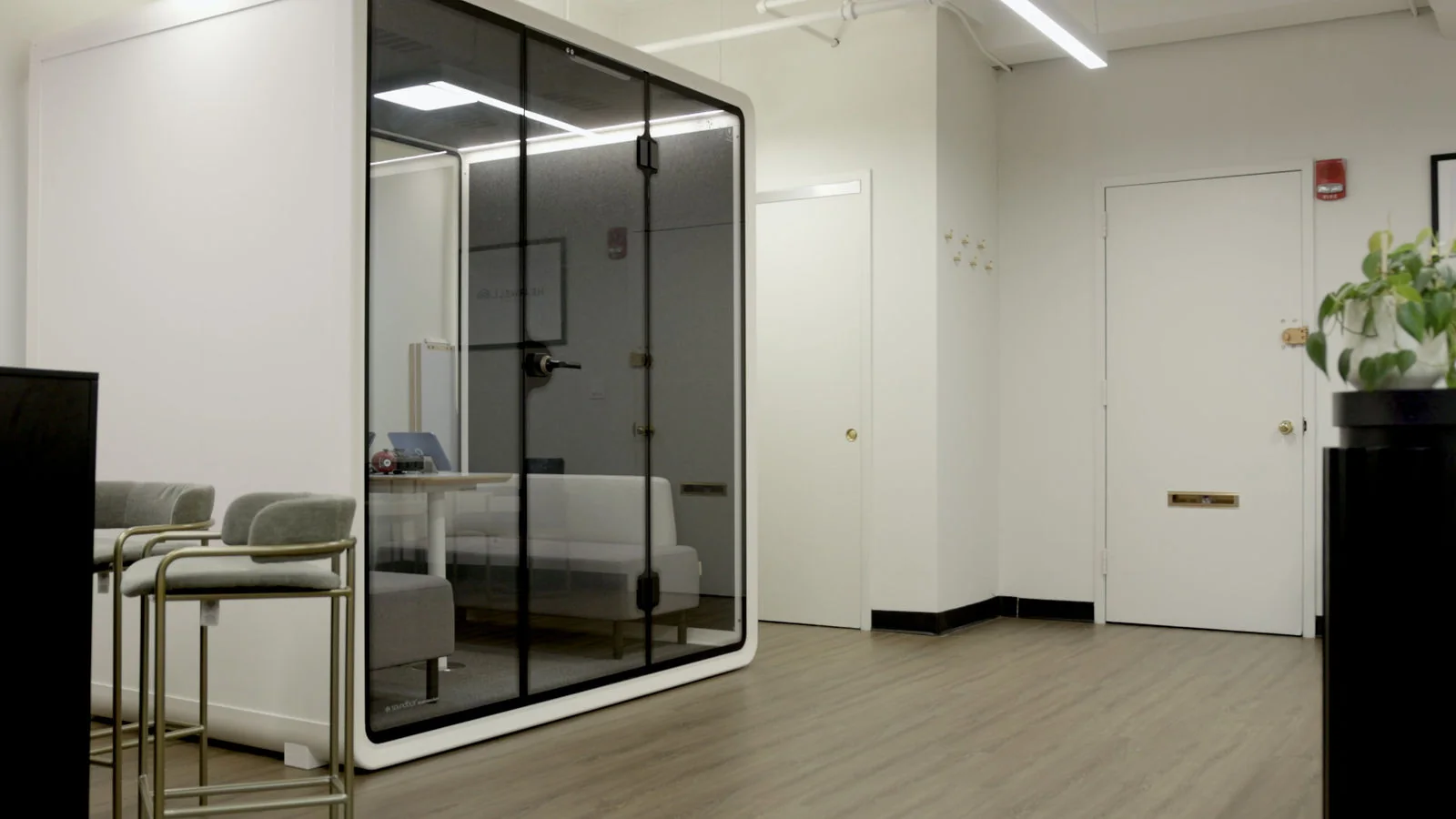
- At our Midtown West office: take your hearing test in our glass booth at 237 W 35th St, Suite 702A, steps from Penn Station. A hearing test visit takes about 25 minutes, and we go over your results with you before you leave. Walk-ins are welcome Monday to Friday, 9am to 5pm.
- At home: a $99 in-home visit brings a hearing test with SHOEBOX to your door, anywhere in the five boroughs or on Long Island.
- Cost: we accept most insurance, and HearWell Services is a TruHearing provider. Without insurance, a hearing test is $99.
What Our Patients Say
"HearWell explained my chart in plain language and fitted me with hearing aids that made an instant difference."
Anthony R."The in-home test was so convenient. My dad finally understands what his audiogram means and how his devices help."
Karen S.Frequently asked questions
How accurate is a hearing loss chart?
A hearing test done by an audiologist or hearing specialist gives a reliable picture of your hearing on the day of the test. We explain your results and connect them to the sounds in your daily life, from soft voices to city traffic.
Can a mild hearing loss really affect daily life?
Yes. Even a mild loss can make conversations harder in restaurants, at family gatherings or in meetings, and many people notice they get tired from listening. Hearing aids for mild loss are small and can be rechargeable.
What hearing aids work best for severe hearing loss?
More powerful behind-the-ear models are often used for severe hearing loss. Your provider will confirm which models fit your hearing test results, and you can try different brands in one visit at our Midtown West office.
How often should I retest my hearing?
We recommend a hearing test once a year if you wear hearing aids, or sooner if you notice a change, so your hearing aid settings keep up with your hearing.
Can I send you an audiogram from another provider?
Yes. Upload your audiogram with the form on this page and our team will review it and recommend a solution, or call (332) 238-1028.
Does insurance cover a hearing test?
We accept most insurance, and HearWell Services is a TruHearing provider. Without insurance, a hearing test is $99. Call (332) 238-1028 and we'll help you check your coverage.
Questions about your results? Call (332) 238-1028 or email [email protected].
Get your audiogram reviewed
Upload a photo or PDF of your audiogram below, and our team will review it and recommend a solution.

