Hearing aid guide · 2026

Hearing Aid Parts Explained: What Each Part Does and How to Care for It

Hearing aids are small, but each one holds a microphone, a processor, a tiny speaker and a power source that work together to make speech clearer. Knowing what each part does makes it easier to care for your hearing aids, order the right supplies and tell us what's wrong when something sounds off.

Short answer: most hearing aids have five main parts: a microphone that picks up sound, a processor and amplifier that adjust it to your hearing test, a receiver (the speaker) that sends it into your ear, a dome or earmold that holds it in place, and a battery, rechargeable or disposable. Many styles also have a wax filter that protects the receiver.

The Main Parts of a Hearing Aid

Here's what each part does, from the moment sound reaches your hearing aid to the moment you hear it.

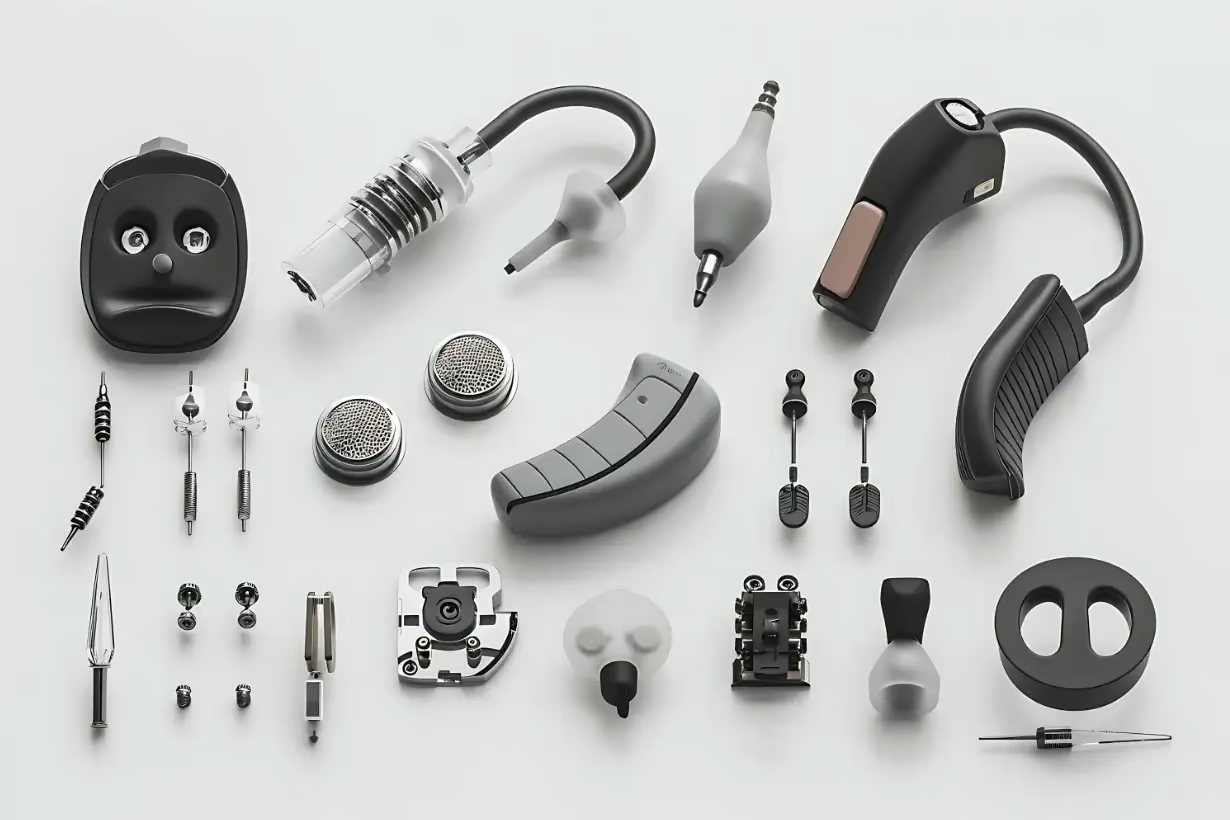
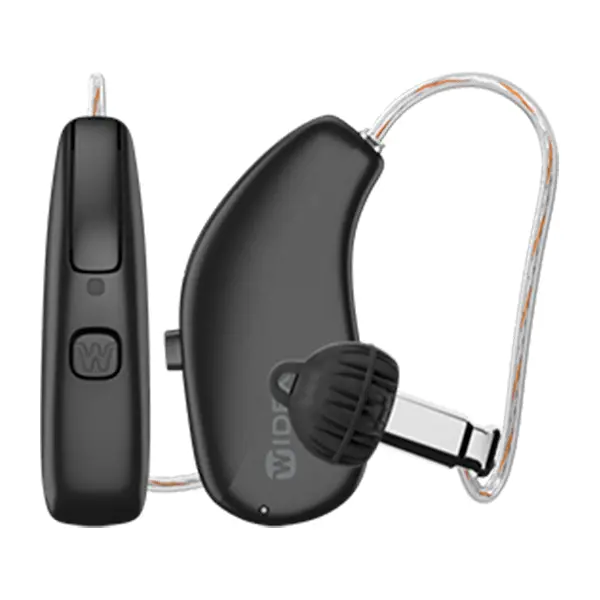
Diagram of the parts of a receiver-in-canal hearing aid
The main parts of a receiver-in-canal hearing aid.

1. The microphone

The microphone picks up sound around you. Many hearing aids have more than one microphone, so they can focus on the person in front of you and turn down noise from other directions, which helps in busy restaurants and on city streets.

2. The processor and amplifier

The processor is the hearing aid's computer chip. It sorts speech from noise and the amplifier makes sounds louder by the right amount for each pitch, based on your hearing test. In the newest AI hearing aids, the processor also adjusts automatically as you move from place to place. For example, Starkey Omega AI+ is built on the G4 Gen AI Neuro Processor, Signia Pure Charge&Go MaX uses Acoustic Intelligence with four deep neural networks, and Oticon Reveal uses Dual AI, one AI system to enhance speech and one to keep the surrounding sounds that give it context.

3. The receiver (speaker)

The receiver turns the processed signal back into sound and delivers it into your ear canal. On receiver-in-canal (RIC) hearing aids it sits at the end of a thin wire inside your ear. Receivers can wear out or get clogged with wax; at HearWell Services a replacement receiver is $125 per receiver, plus the $99 service appointment.

4. The dome or earmold

The dome is the soft tip on the end of the receiver, and an earmold is a custom-made piece shaped to your ear. Either one holds the hearing aid in place and seals in sound. A good fit feels comfortable, sounds clearer and helps prevent whistling. Domes should be replaced regularly; see our hearing aid domes and our guide to dome problems.

5. The wax filter (wax guard)

A tiny filter in the receiver or sound opening keeps earwax out of the speaker. When it clogs, sound can go weak or quiet, so changing it is one of the easiest fixes you can do at home. Shop wax filters by brand, or watch how to change them on our How-To Videos page.

6. The battery

Hearing aids run on either a built-in rechargeable battery or disposable zinc-air batteries. Rechargeable models go in a charger overnight; disposable batteries come in sizes 10, 13, 312 and 675. We carry Power One batteries and chargers for every major brand.

Hearing Aid Parts at a Glance

PartWhat it doesCare tip
MicrophonePicks up sound and helps focus on speechBrush the microphone openings gently every day
Processor & amplifierAdjusts sound to your hearing testKeep your hearing aids dry and updated through the brand app
Receiver (speaker)Sends sound into your earChange the wax filter when sound gets weak
Dome or earmoldHolds the hearing aid in place and seals in soundWipe daily and replace domes regularly
Wax filterKeeps earwax out of the receiverReplace it when it looks clogged
BatteryPowers the hearing aidCharge overnight, or keep spare batteries with you

Where the Parts Sit in Each Style

Every hearing aid has the same basic parts, but where they sit depends on the style:

  • Receiver-in-canal (RIC): the microphones, processor and battery sit behind your ear, and the receiver sits in your ear canal at the end of a thin wire. This is the most common style for the newest AI models.
  • Behind-the-ear (BTE): everything, including the speaker, sits behind the ear, and sound travels through a tube to a dome or earmold.
  • Custom styles (ITE, ITC, CIC, IIC): all the parts are built into a shell made to fit your ear, from a full-shell in-the-ear style down to an invisible-in-canal style. Starkey Omega AI+ comes in custom rechargeable ITE, ITC and CIC styles and an IIC invisible style.

Your hearing test and the shape of your ears help decide which style can work for you.

What's Inside the Newest AI Hearing Aids (2026)

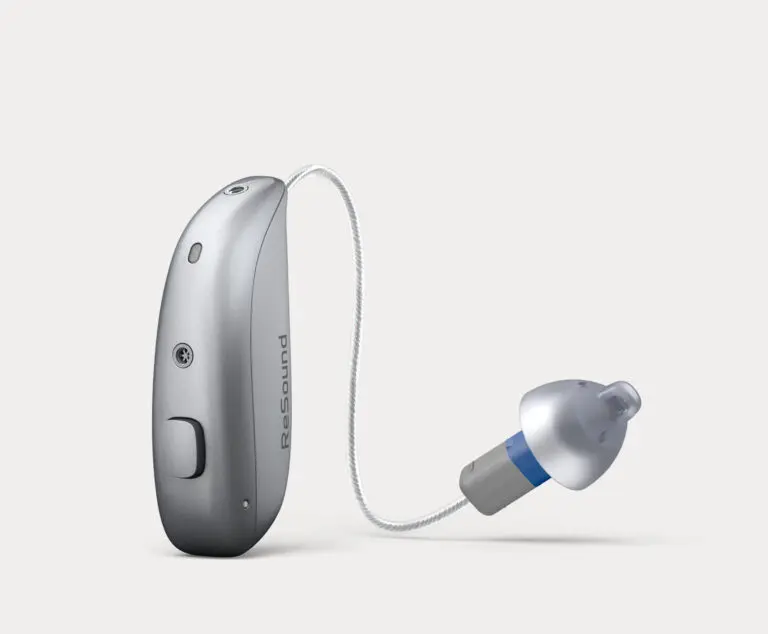
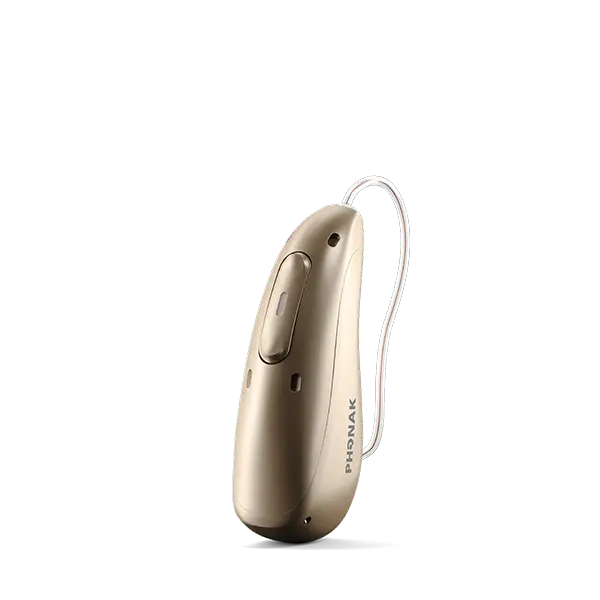
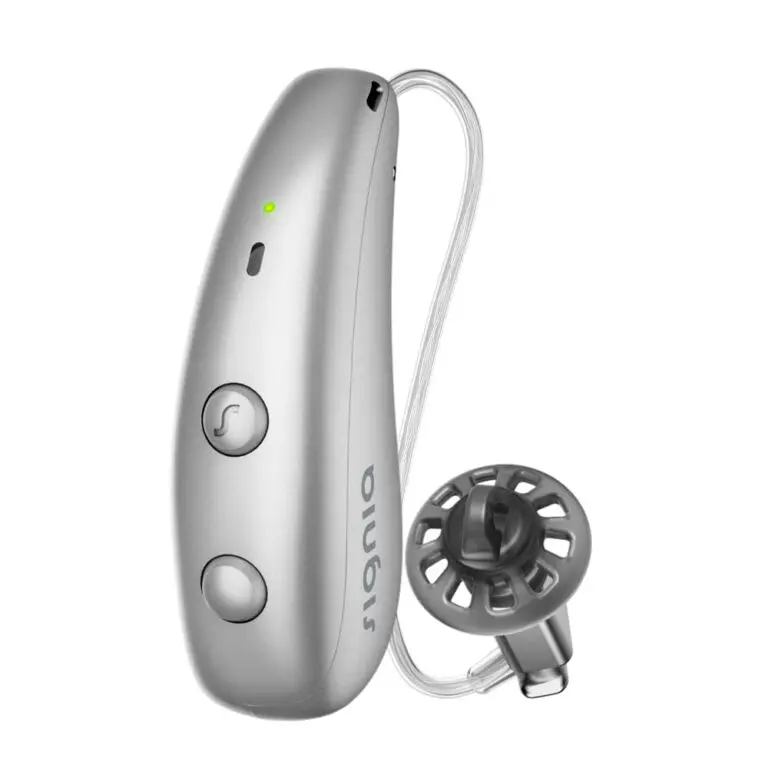
The newest model from each major brand we carry. Every hearing aid price on our site includes the hearing aids and your fitting fee.

Want to compare them side by side? Read Which Hearing Aid Brand Is Best? 2026 Comparison of the Newest AI Models, or browse all hearing aids with prices.

Which Hearing Aid Is Right for You?

Your lifestyle, comfort and hearing goals all play a part in choosing a hearing aid. Answer a few quick questions to see which of our hearing aids might suit you.

Quiz
Hearing Aid Parts Explained: Get to Know Your Device Inside & Out
  1. 01/ How do you want your hearing aids to feel and look?
  2. 02/ How much maintenance are you comfortable with?
  3. 03/ How important is technology and connectivity to you?
  4. 04/ Where do you spend most of your time?
  5. 05/ What’s your biggest frustration with hearing aids (or hearing loss)?

Accessories That Keep Each Part Working

The right accessories keep each part working and make everyday listening easier:

Shipping is free on orders over $100, and pickup at our Midtown West office is free. Not sure which part fits your hearing aids? Call (332) 238-1028 and we'll check before you order.

When a Part Needs Attention

Many problems start with wax and debris. Signs a part needs attention:

  • No sound, or weaker sound than before (often a clogged wax filter or receiver)
  • Whistling or feedback (often a worn dome or a poor fit)
  • Sound that cuts in and out, or crackles
  • A hearing aid that won't charge, or batteries that drain fast

Here's how we can help, with prices posted up front:

  • Deep cleaning at the Cleaning Bar: $65 flat, any brand, walk-ins welcome at 237 W 35th St, Suite 702A.
  • Repairs: the service appointment is $99, and parts are additional. Repairs sent to the manufacturer have a $25 shipping and processing fee, in or out of warranty.
  • Remote help: a 20-minute Zoom consultation for Bluetooth pairing, syncing or cleaning questions is $50.
  • Free manufacturer tech support lines: each brand has a free US support line for accessories, product information and Bluetooth pairing. The numbers are listed on our hearing aid repair page.

Frequently asked questions

Can I use a smartphone app with my hearing aids?

Yes, most Bluetooth hearing aids pair with the brand's app for adjustments and battery checks. If you buy hearing aids from us, we set up Bluetooth and your phone as part of your fitting. Our How-To Videos show how to pair Signia, ReSound and Phonak hearing aids.

Which is better, rechargeable or disposable batteries?

Rechargeable hearing aids are convenient for most people: you charge them overnight and skip battery changes. Disposable batteries can suit people who prefer quick swaps or travel without easy access to power. Ask us which models come in each version.

How do I know if my dome or earmold fits correctly?

If your hearing aid slips, feels loose or whistles, the fit may be off. We can check your fit and dome size at our Midtown West office, steps from Penn Station.

How long do hearing aids last?

It depends on the model, how you care for them and how your hearing changes. Read our guide on how long hearing aids last and how to extend their lifespan, and keep up with daily cleaning and professional cleanings.

Does insurance cover hearing aids?

We accept most insurance, and HearWell Services is a TruHearing provider. Original Medicare doesn't cover hearing aids, but some Medicare Advantage plans add hearing benefits. Call (332) 238-1028 and we'll help you check your coverage. A 36-month hearing aid lease, financed through PatientFi (see financing), is also available.

Questions about a part or accessory? Call (332) 238-1028 or email [email protected].

Want a hand with your hearing aids?

Walk in to our Midtown West office, Monday to Friday, 9am to 5pm, or book a $99 in-home visit for a hearing test or new hearing aid fitting anywhere in the five boroughs or on Long Island.

Dr. Jessica M. Frankel, Au.D., CCC-A

Co-Founder | HearWell Services

With 15+ years of experience, Dr. Frankel specializes in rehabilitation and advanced hearing aid technology. She is a Fellow of the Academy of Doctors of Audiology.
Share the article